I wasn’t sure that returning to printmaking made any sense. I wasn’t even sure that photography still had a place in my life.
For several years I cared for my mother while she was dying of ovarian cancer. When she passed in February 2020, I was completely and utterly burnt out. I had decided to stop making photographs. There was simply not enough of everything the work required: less physical energy, less time, and less of the mental clarity needed to go out into the world and be open to it.
I returned after she died, but every year I made fewer photographs. I felt less when I was out making them. I felt less when I was editing them, or printing them. I felt mostly nothing.
During that same period, the feedback loop around photography was breaking down as well. I used to go out, enjoy myself, come home excited, edit the pictures, and share them with people who cared about the work. That response wasn’t the reason to make photographs, but it helped keep the juices flowing when spirits lagged. Spirits were very much lagging as Instagram became less hospitable to photographs. The cycle stopped working. Combined with where I was mentally and physically, it put the whole thing in peril.
Maybe it had run its course. People fall out of love.
Somewhere during those years I started Alberta Beautiful, an attempt to give a large archive of photographs a physical life as prints. Less field work, more focused measured hands on work creating what I hoped were works that meant something.
It had some early success, but it did not bring me back to making new work. I continued mostly out of habit—photographing storms or the occasional unimaginable rose bush, trying another edit, wondering again whether I should return to film because even very expensive digital cameras were not producing work that felt like mine, or felt like anything.
Eventually I began planning a way out. After more than twenty years, maybe photography was simply over. I had a good time. I learned a great deal. I saw more than my fair share of beauty and had no right to complain about anything. I could sell the expensive equipment, keep one camera to carry around, and let the work stand where it stood. It had not become everything I once imagined, but it had given me more than enough.
The camera I bought for that retreat was a Nikon Zf, the first time in more than 15 years that I had photographed with something other than a Fujifilm camera—yes I owned nearly every Fuji camera along the way. Mounted on the Zf, my old manual-focus film lenses—with that buttery in-focus, out-of-focus slide through the focal plane—set off small feels. A seed.
I did not miss the giant medium-format sensor as much as I expected. The new camera was lighter, easier on the arms, neck, shoulders, a bag of old Takumar lenses weighs less than one GFX lens. Seemed like a perfectly viable way to keep photography in my life without asking it to be what it had once been, and letting me move on after half a decade of toiling over staying or going.
Then I accidentally, or incidentally solved editing.
Enjoying the camera led to making more photographs, which led to editing again. Somewhere in that process I accidentally solved a problem I had been chasing for more than twenty years. A single unified edit.
I endlessly chased an editing approach that could hold my work together, but it always broke. An edit might be beautiful in summer and terrible in winter. It might work until a person entered the frame and their skin went green and ghoulish. Highlights on digital files never behaved the way any civilized human would accept as beautiful. An edit developed for one camera would fall apart if you used it on another, or gods, an older camera.
This accidental edit kept working.
It worked on recent medium-format files and on photographs from an old twelve-megapixel Pentax. It worked across seasons, cameras, people, prairie and weather. I began going back through the archive to see what else it could do.
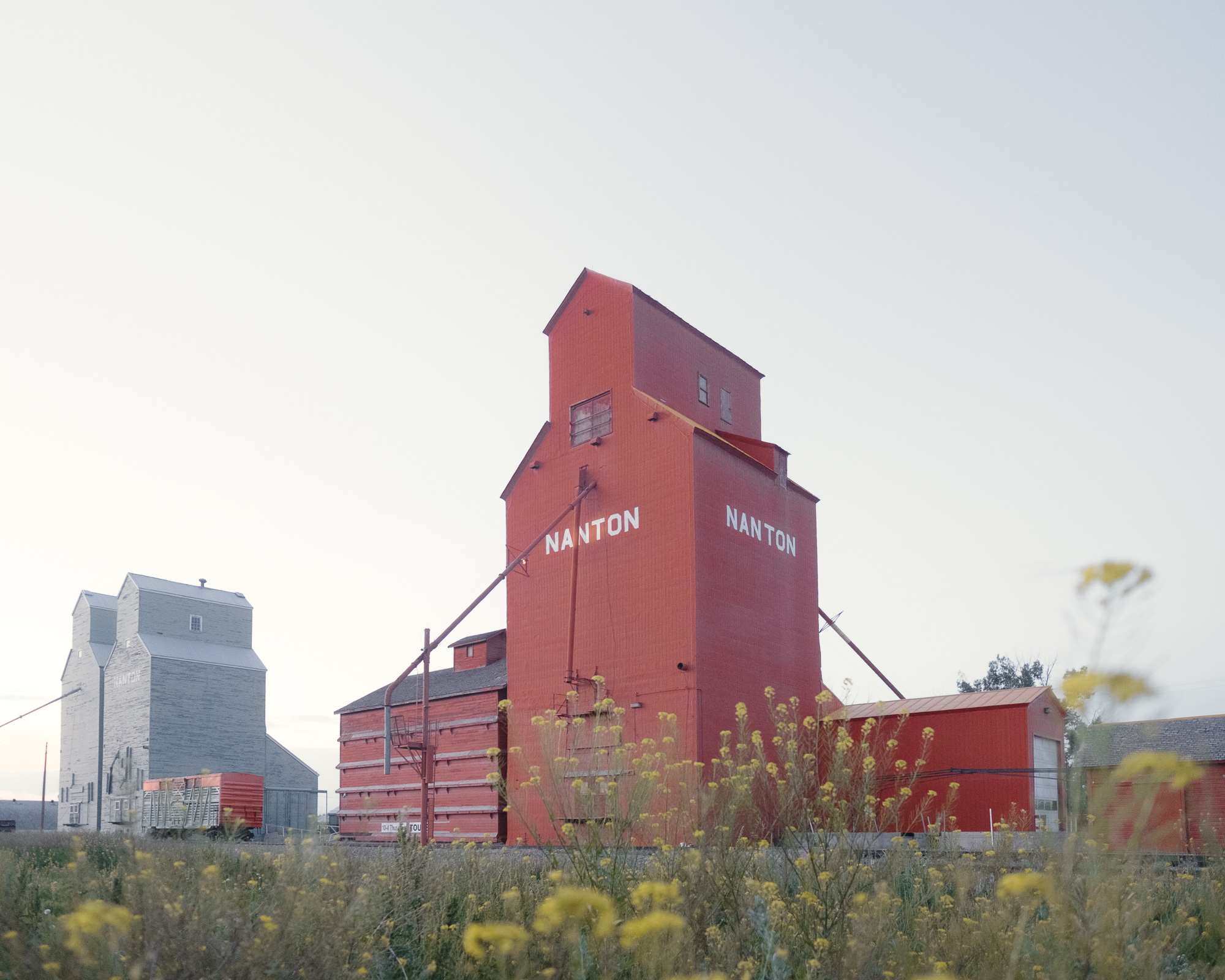
Over the years I had made photographs that emerged as completely inexplicable when I brought them home. I remembered seeing something when pressing the shutter, but on the computer I would wonder what it was. Applying the new edit began revealing photographs as I had originally seen them.
Pictures I had failed to understand for years began giving themselves back to me.
That gift of what hides behind these years-old bad edits pulled me deep into the archive. At some point I was no longer testing the edit to see whether it solved a technical problem. I kept going because I was singularly happy just seeing the finished photographs, and wondering what might emerge next. The work felt coherent without becoming uniform. For the first time in years, I wanted to see where it might lead.
Would these print?
My working life is technical. I build software and products, and over the last few years I have become able to build systems, websites (like this one) with a lot less effort than I could before. I began to wonder what would happen if, instead of putting all of that knowledge toward another technology business, I applied systems and structure to the print practice—this time backed by the best work I had ever made.
But before there could be a print business, there was a more important question. Would these photographs actually print?
Many a great screen edit died horrible print deaths. In the past I sometimes maintained separate screen and print edits because the same file could not do both jobs. Which is as fun as it sounds.
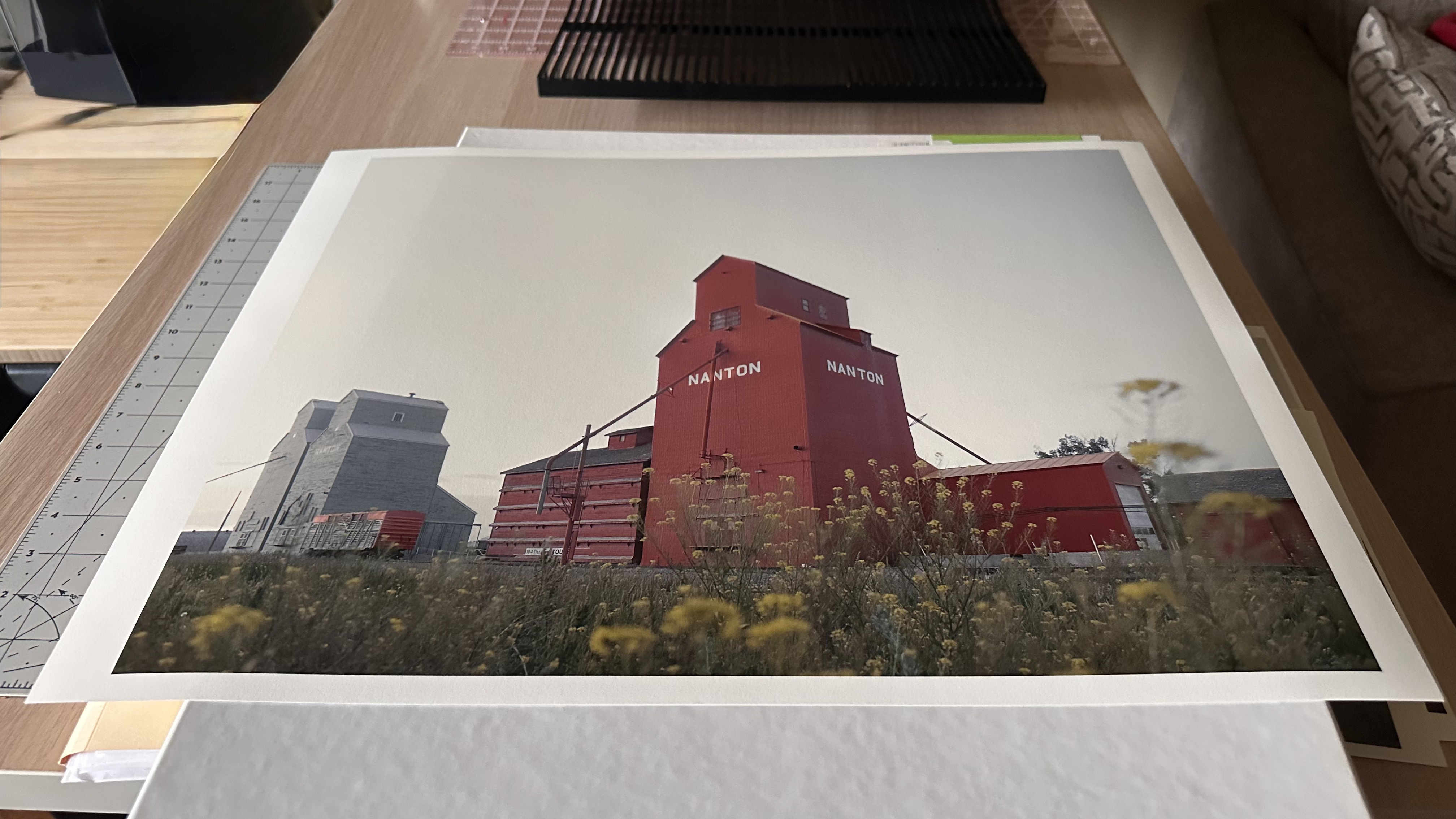
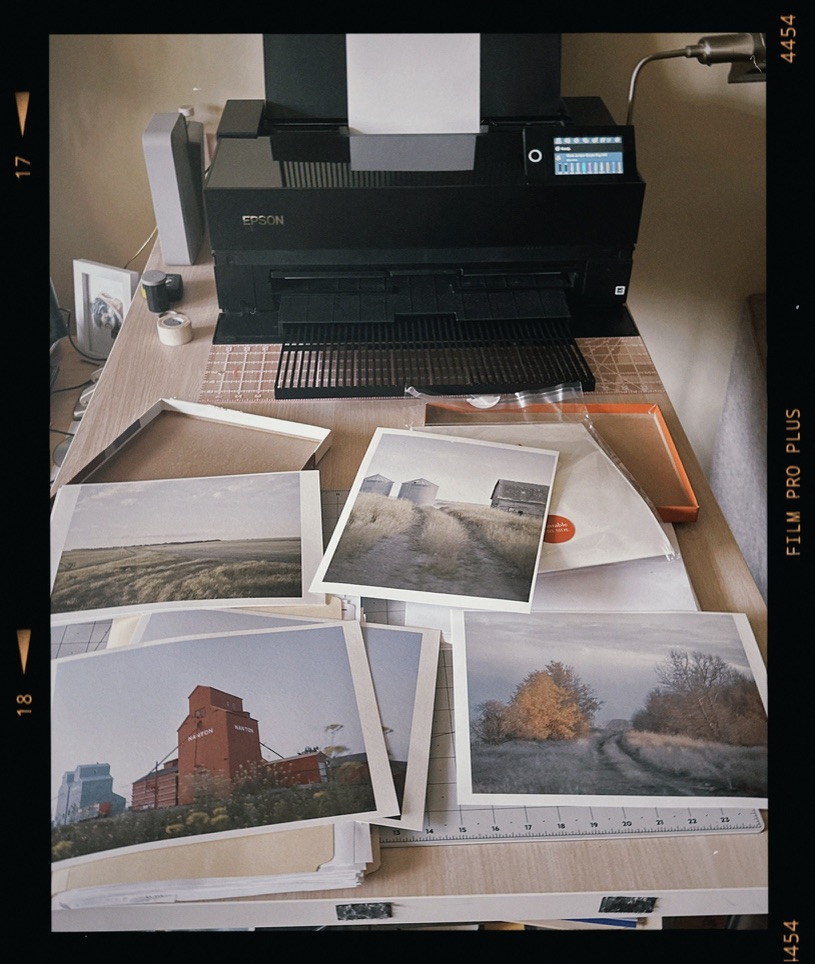
So I started making test prints and was reminded of something I have believed for a long time: my photographs express themselves most completely as large physical objects. At a certain scale you can no longer absorb the whole image at once. I'm not in the thumbnail business, I'm in the look a bit deeper. Slow Down. Take a breath. Your eyes have to move through it business.
The long-term ambition is to make genuinely large work. However, the immediate tests were more modest: could older digital files carry enough quality at 16 × 20 with the new edit to make up for their small size, grain, etc.